The Reality of Delicate Bridal Bouquets Surviving Without Water
Kingston Road Flower Market • October 14, 2026
Many engaged couples build their entire event vision around heavily edited photos of massive floral installations they find online. Walking into a consultation in East Danforth with expectations based purely on social media imagery often leads to a harsh reality check regarding plant mechanics. At Kingston Road Flower Market we prefer to be completely honest about how natural materials physically behave during a long event.
The truth is that delicate bridal blooms face immense physical stress when carried around all afternoon by warm hands. Understanding the true lifespan of a bridal bouquet prevents the major disappointment of wilted stems during your evening reception. Grounding your expectations in the physical realities of floristry helps you choose materials that actually survive the entire day.
In This Article:
- The Physical Toll of a Wedding Timeline
- Overestimating Social Media Durability
- Managing Your Floral Results on the Day
- Frequently Asked Questions
- Finalizing Your Event Choices
The Physical Toll of a Wedding Timeline
A standard bridal bouquet spends roughly six to eight hours out of a water source during a typical event. The moment a freshly cut stem is exposed to open air, the internal capillaries begin to seal themselves shut to prevent further moisture loss. This biological defense mechanism means that even if you place the bouquet back into water later, the stems can no longer drink efficiently. Combine this lack of hydration with direct exposure to warm summer air, and the plant tissue begins to break down rapidly.
Body heat plays a massive role in early bloom failure. Holding tightly onto the ribbon wrap transfers human body temperature directly into the tightly bound stems.
→ A quick tip to remember: Always hold your bouquet loosely by the lowest section of the handle to keep your body heat away from the sensitive stem core.
Overestimating Social Media Durability
Couples frequently request bouquets made entirely of fragile spring crops like sweet peas, lily of the valley, and blooming astilbe. They see these specific combinations online and assume the arrangement will look pristine from the morning preparations through the midnight dance. The physical reality is that these specific stems lack the dense cellular structure required to hold water internally for long periods.
In many stylized photoshoots, the models only hold the flowers for ten minutes before the photographer gets the perfect shot. Professional event florists know that a bouquet designed exclusively with soft tissue stems will physically collapse before the ceremony even begins.
→ From a professional standpoint: Mixing delicate focal blooms with heavily structured foliage creates a hidden physical support system that keeps the arrangement standing upright.
Managing Your Floral Results on the Day
You can dramatically improve the final results of your bridal pieces by implementing strict handling rules for the wedding party. The bouquet should remain entirely submerged in its hydration vase until the exact moment the photographer requests it. Laying a bouquet flat on a wooden table or a fabric chair crushes the soft back petals and causes immediate irreversible bruising.
Providing a heavy glass vase at the head table ensures the bouquet has a safe structural resting place during dinner. Keeping the binding ribbon absolutely dry prevents stagnant water from rotting the tight cluster of stems hidden underneath the fabric.
Frequently Asked Questions
How long can a bridal bouquet go without water?
Stems begin to physically seal their base capillaries within forty five minutes of air exposure. Once sealed, the flower relies entirely on the internal water reserves held inside its petals and leaves. Highly structured blooms like orchids can rely on these reserves for hours, while soft spring flowers deplete their stored moisture almost immediately.
Do hydrangeas wilt easily in bouquets?
Hydrangeas possess woody stems that struggle to pull heavy amounts of water quickly. They actually absorb a massive amount of their required moisture directly through their soft petal tissue. Once removed from a water source and exposed to dry air, their large petals dehydrate and collapse faster than almost any other commercial flower.
How do you revive a drooping wedding bouquet?
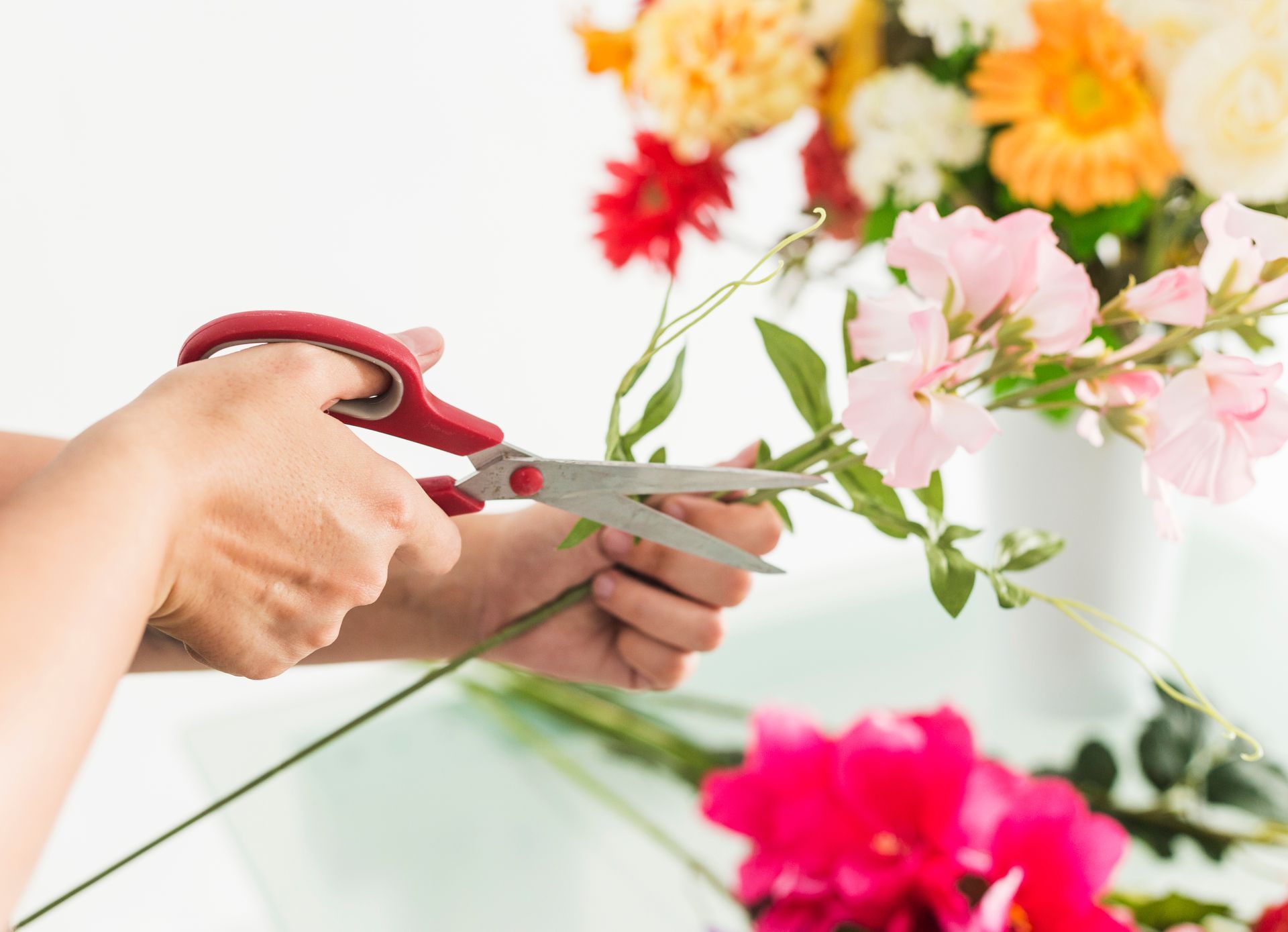
If the internal capillaries have sealed completely, the only mechanical way to force hydration is a fresh cut. Slicing half an inch off the bottom of the stems with a highly sharpened blade opens new water channels. Placing those freshly cut tips into slightly warm water forces the liquid past any trapped air bubbles inside the stem.
Finalizing Your Event Choices
Making realistic decisions about stem varieties ensures your wedding photos look fantastic from start to finish. Acknowledging the physical limitations of cut flowers allows your designer to build a beautiful and highly durable piece. Speak with a trade expert to select the correct hardy materials for your specific timeline.
Share This Blog